Industries
Product design shaped around how your product works.
A SaaS dashboard, AI assistant, marketplace and creator platform may share interface patterns—but they do not share the same users, risks or measures of success. We bring product thinking suited to the system you are building.
Where we specialise
Different products create different design problems.
Choose the category closest to your product to see the journeys, risks and opportunities we consider.
Don’t see your category? We work with digital products beyond the industries featured here.
-
01
SaaS products
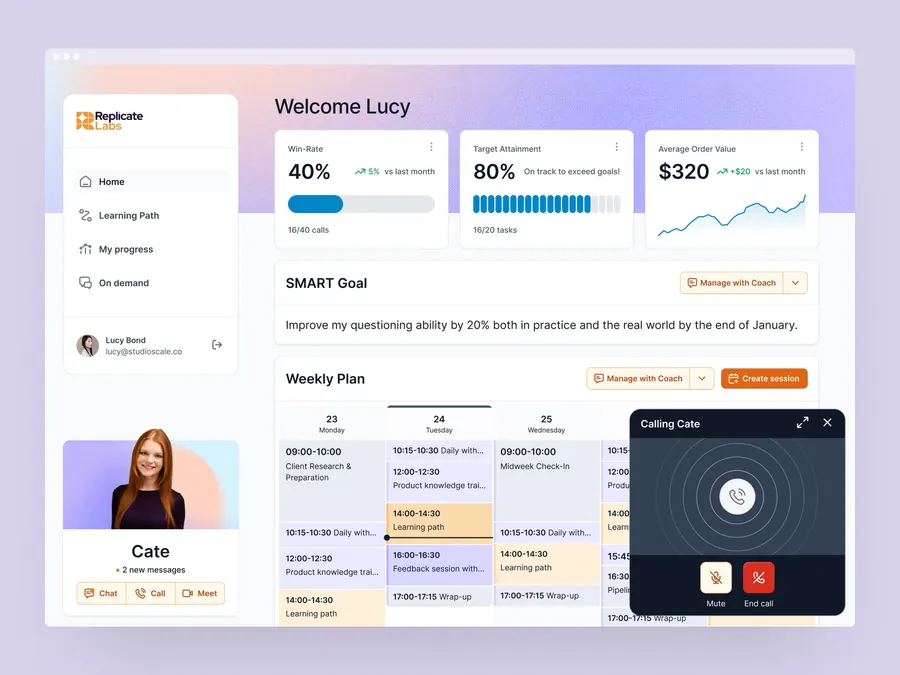
Make complex workflows easier to learn, complete and repeat; onboarding, collaboration and account management…
-
02
AI products
Help users understand what AI can do, know what to ask, evaluate its output and remain in control when results are uncertain.
-
03
Marketing technology
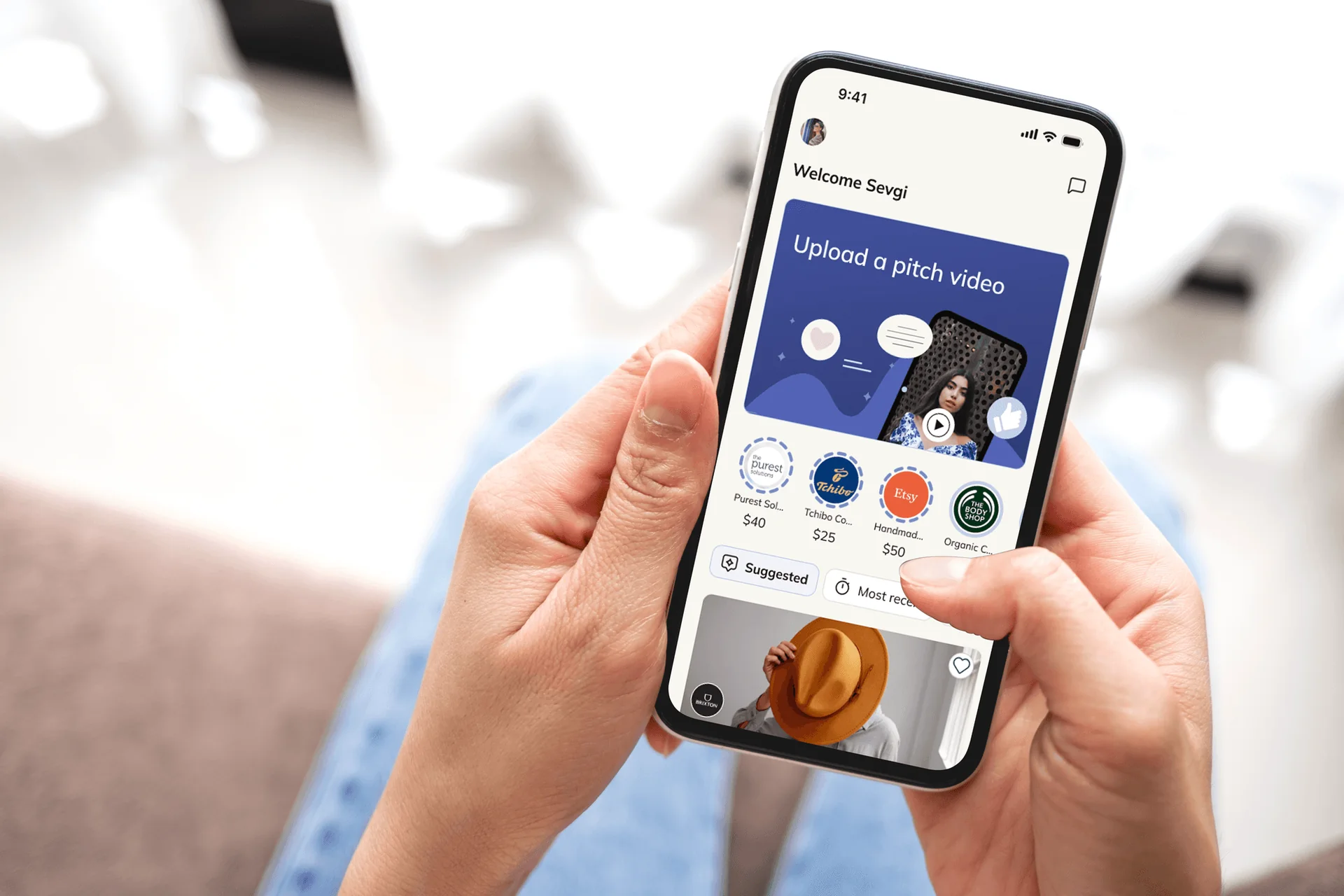
Help teams plan campaigns, manage assets, understand performance and turn complex marketing data into useful action.
-
04
Education and learning products
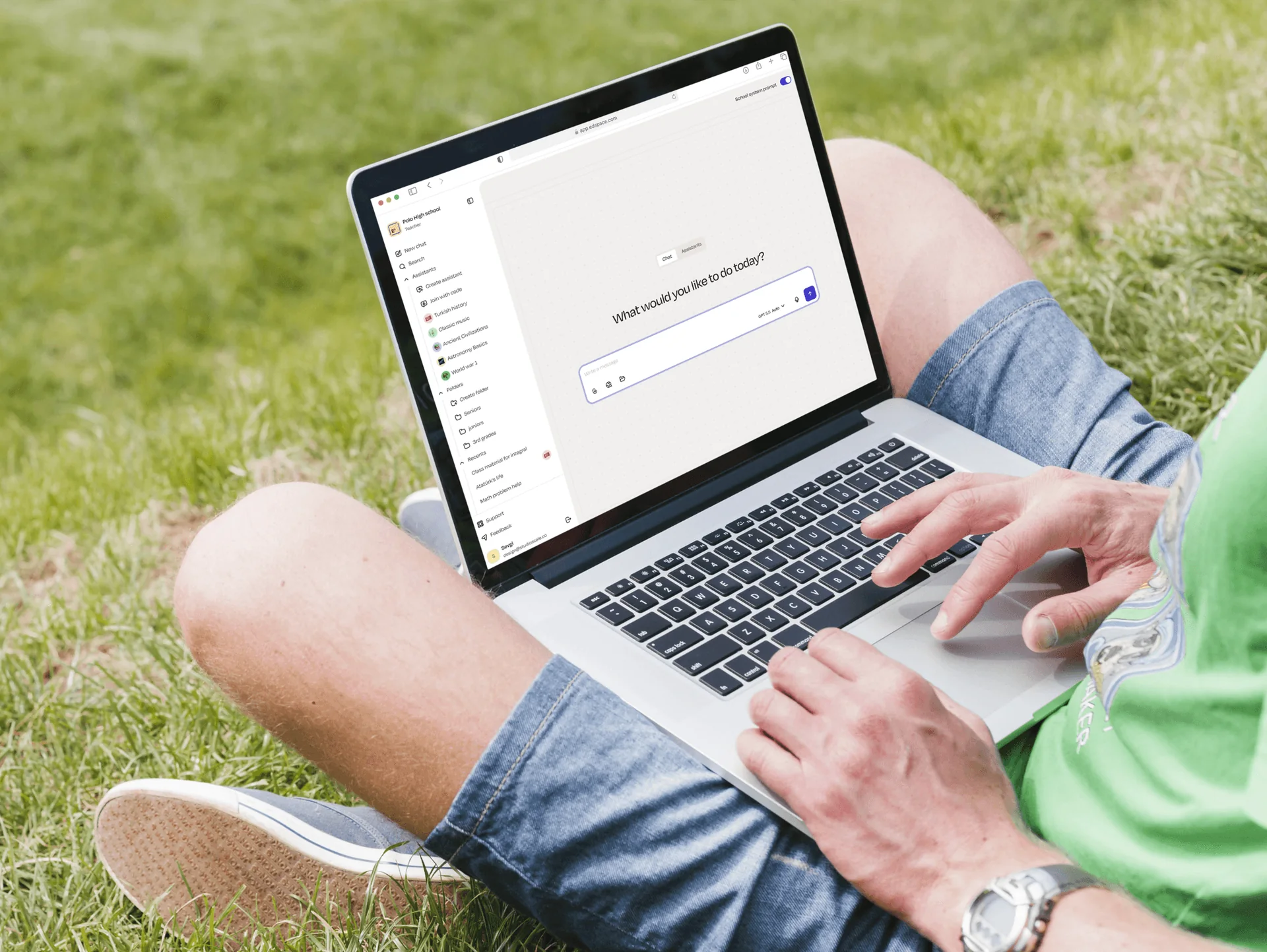
Design learning experiences that make progress visible, feedback useful and complex subjects easier to approach.
-
05
Event and ticketing products
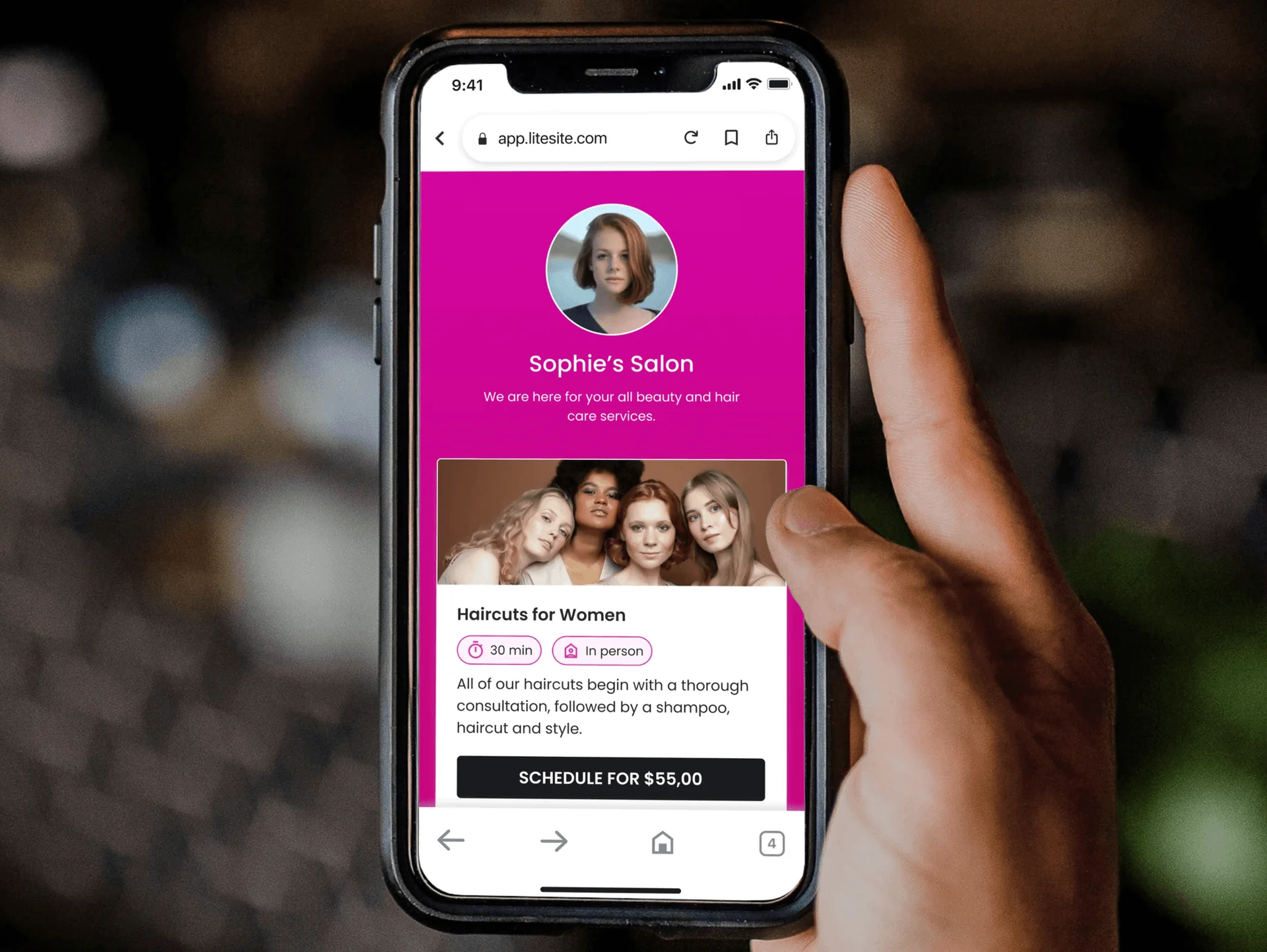
Connect discovery, purchase, attendance and event operations across customer-facing and internal experiences.
-
06
Fintech and financial products
Make consequential financial information and actions easier to understand without hiding risk, status or important detail.
-
07
Creator platforms
Make creation, publishing, audience growth and monetisation feel manageable for new creators without restricting experienced users.
-
08
E-commerce products
Help customers find, compare and confidently buy while giving teams practical tools to manage products, orders and support.

How we work
Shared approach
-
01
Understand the product model
We clarify who creates value, who receives it and which actions make the product useful.
-
02
Map the critical journeys
We connect onboarding, core workflows, decision points and edge cases instead of treating screens independently.
-
03
Stay close to implementation
We work with engineers through handoff and design QA so the intended experience survives into production.
-
04
We learn the system before designing the screens.
Industry experience helps us recognize familiar patterns, but we do not force every product into the same solution. We learn how your users behave, how the business creates value and what your engineers can realistically support.
-
05
Design for the product’s maturity
An early product needs focus and fast learning. A growing product needs consistency, migration planning and systems that can scale.
What we do
Pick the engagement that matches where you are.
Every service below ends in the same place: shipped product your users love and your engineers can actually build.
-
01
For products with traction
Fix the flows that leak revenue
Onboarding, checkout, activation… We redesign the journeys where users drop off, and measure the difference.
-
02
For pre-launch founders
MVP design, 0 → 1
We turn your idea into a clear, usable product you can test, pitch to investors, or hand to engineers, typically in 3–6 weeks.
-
03
For teams shipping weekly
New features, designed to ship
Spec to dev-ready designs with edge cases covered, so your engineers stop guessing and your roadmap stops slipping.
-
04
For teams without in-house design
Your design team, weekly
A senior design partner embedded in your workflow; Slack, async video, weekly deliveries. Pause or cancel anytime.
No. Familiarity helps us ask better questions sooner. The solution still needs to reflect your users, business model, technical constraints and product maturity.
Yes. We do not need to arrive as the domain expert. We need access to the people, evidence and product knowledge that help us understand the domain accurately.
Bring us the product problem rather than a perfect service brief. We will recommend the smallest engagement that can produce a useful outcome.
Yes. We prepare designs for implementation, answer questions during development and review the build. A design is not finished simply because the Figma file is approved.
When a client slot is available, kickoff can usually happen within a week. We confirm current availability and the likely first delivery during the intro call.
Focused projects are priced according to scope and complexity. Ongoing work follows the available subscription plans. After the intro call, you receive a clear recommendation before making a commitment.
2 client slots open
Tell us how your product creates value.
We will help identify the journeys that matter, the design risks to address first and the engagement that best matches where your team is today.