 Replicate Labs
01 / 03
Replicate Labs
01 / 03
Redesign of the platform - UX/UI
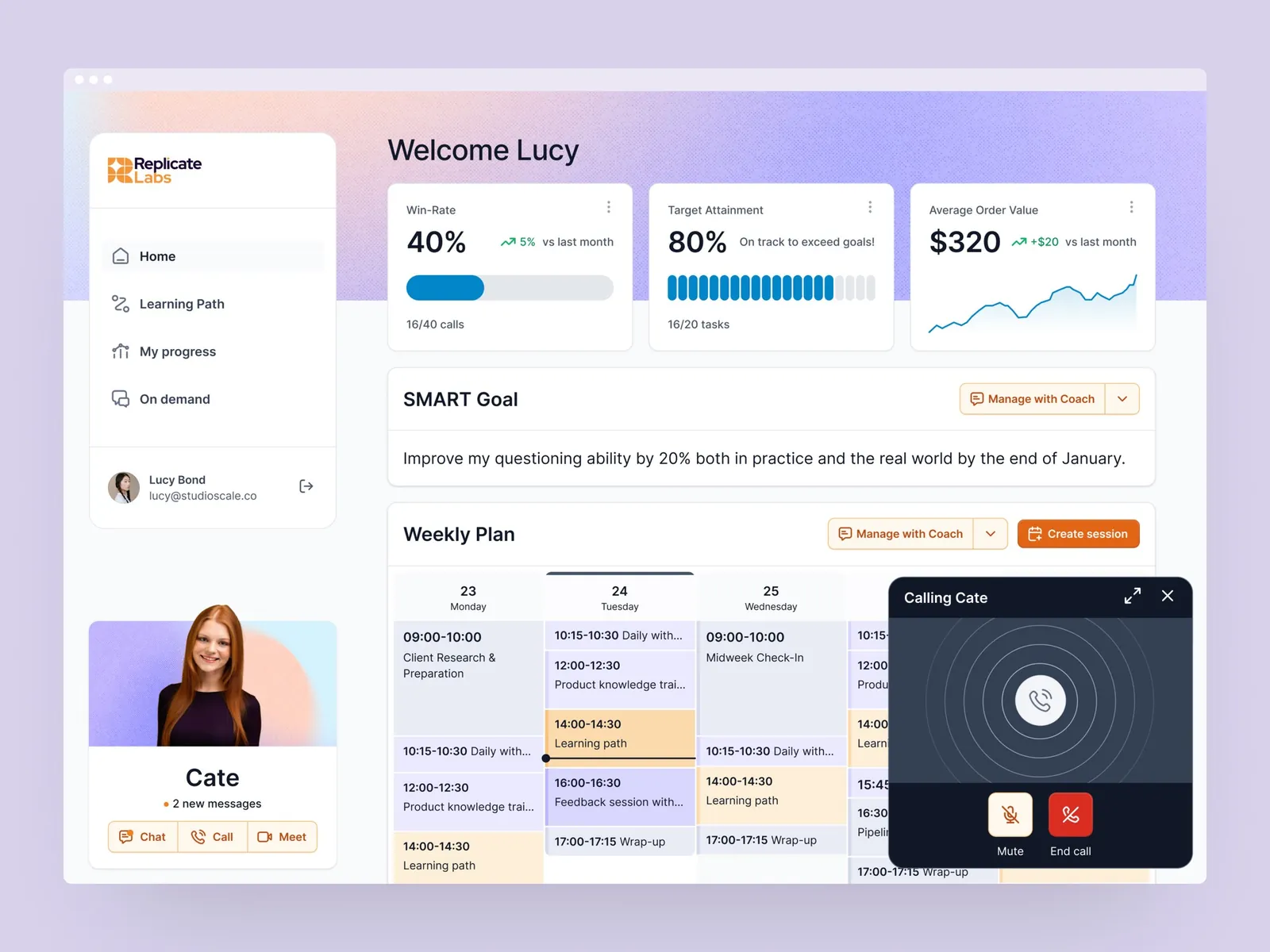
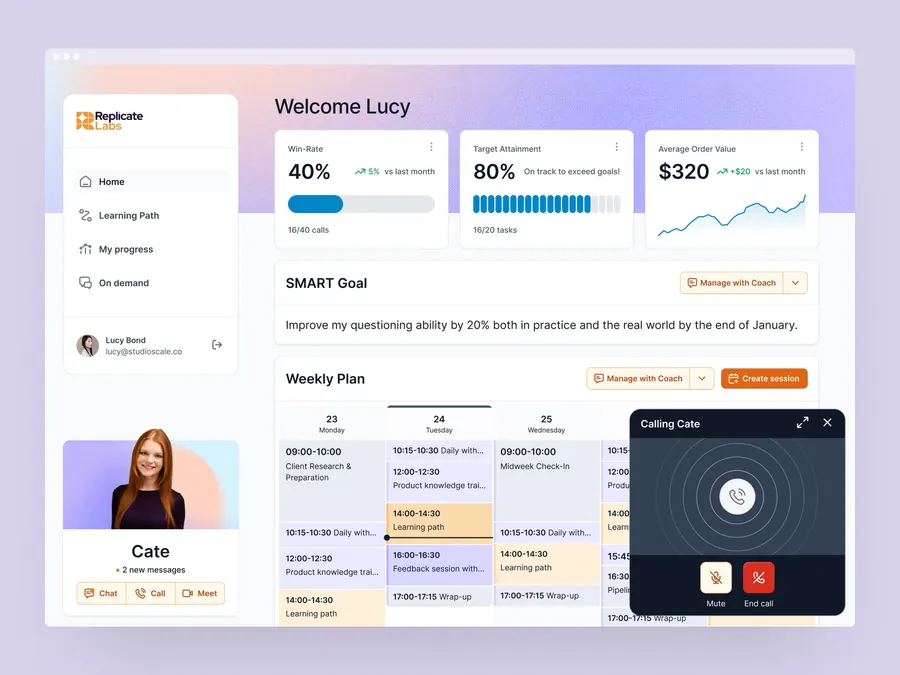
A New UX for a Smarter, Human-Like AI Coach
Make a complex SaaS product easier to learn, use and grow.
We design SaaS experiences that help new users reach value, experienced users complete demanding work and product teams ship without adding inconsistency every week.
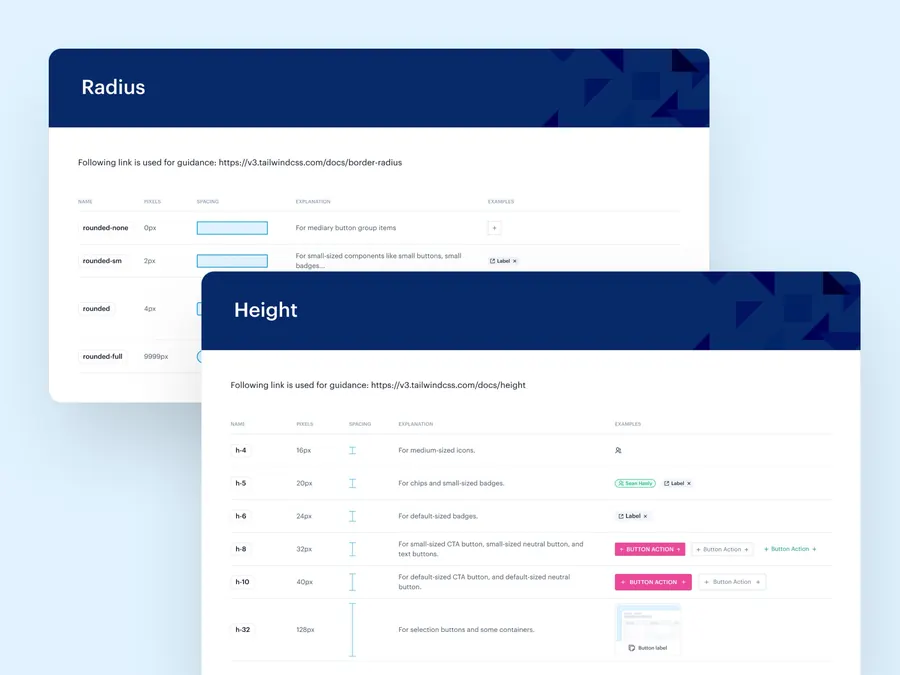

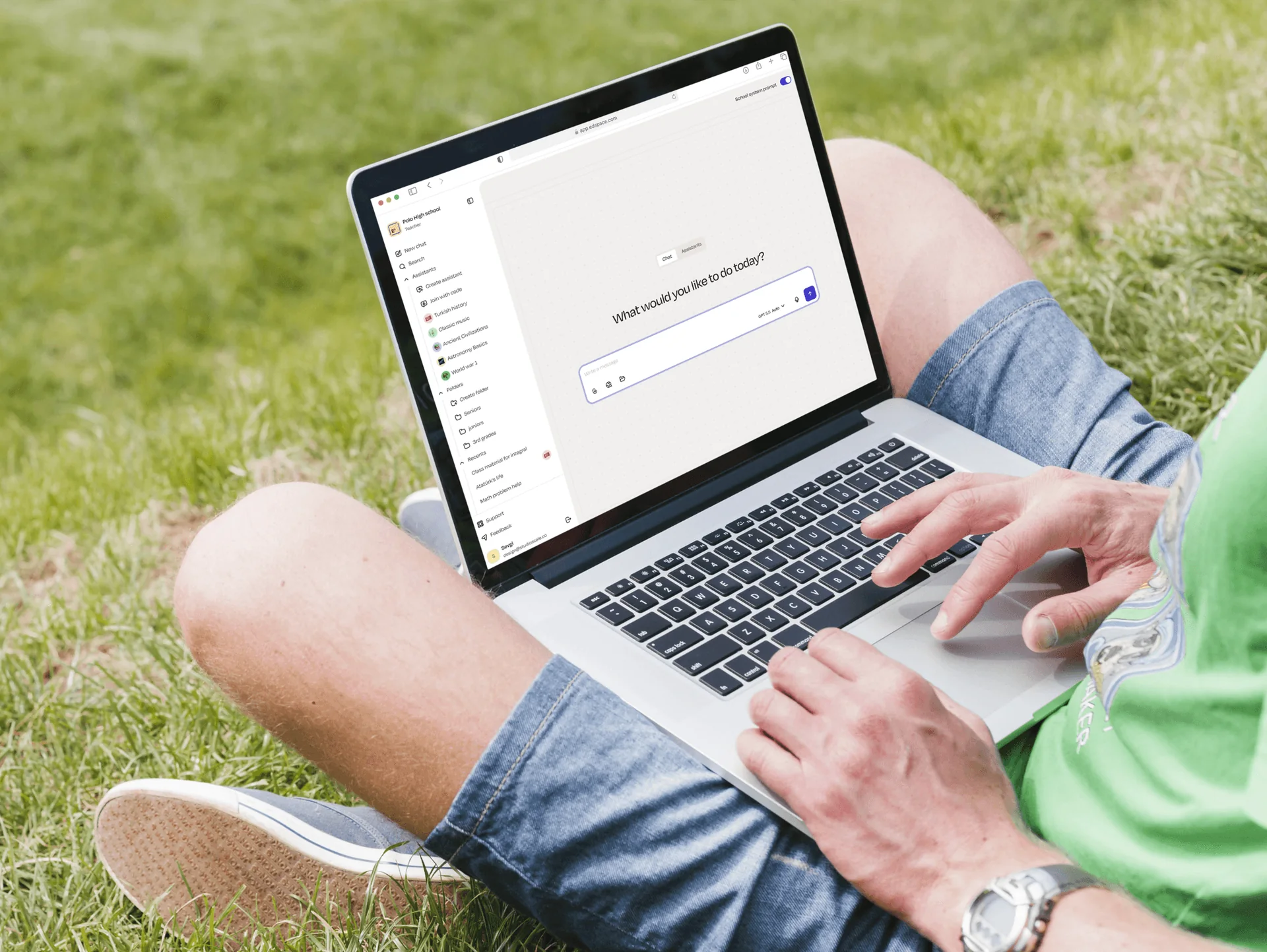
Selected clients






Where it gets hard
It builds feature by feature: another role, another permission, another dashboard, another exception. Over time, new users struggle to begin, experienced users create workarounds and engineers spend more time maintaining inconsistent patterns. We help teams simplify the experience without ignoring the real rules and workflows behind it.
Help users understand the product, configure what matters and experience value before setup becomes exhausting.
Make important information easier to scan, compare and act on without hiding the detail expert users need.
Clarify multi-step tasks, permissions, dependencies and edge cases so users know what is happening and what to do next.
Introduce new capability within the user’s existing work instead of expecting release notes or tooltips to create adoption alone.
Create shared foundations and reusable patterns that support faster, more consistent product development.
Improve a live product while protecting familiar workflows, existing users and the business data your team depends on.
Key journeys
What clients say
We have worked with a number of design and UX experts over the past year and nobody compares to working with Studio Scale. We went hunting for somebody who would care about every tiny detail, every workflow, every edge case, and be able to take a complex and novel idea and convert it to a specific design and plan. The process Sevgi follows is second-to-none, the research phase, the communication with us, the move to Figma, the constant tweaking and obsession over getting every single thing right. The project was ambitious, and we were absolutely blown away by the results. 15 out of 10. Hire her.
 James PurseyFounder & CEO, Replicate Labs
How we work with SaaS teams
Step 01
We clarify who uses the product, what they need to accomplish and which behaviours create value for both the user and the business.
Step 02
We review product data, support themes, recordings, research and the existing interface to find where complexity causes friction.
Step 03
We connect flows, states, content, permissions and reusable components so the solution can survive beyond one release.
Step 04
We answer questions during development, review the implementation and help the team learn from what happens after launch.
Choose the right starting point
For products with traction
Onboarding, checkout, activation… We redesign the journeys where users drop off, and measure the difference.
For pre-launch founders
We turn your idea into a clear, usable product you can test, pitch to investors, or hand to engineers, typically in 3–6 weeks.
For teams shipping weekly
Spec to dev-ready designs with edge cases covered, so your engineers stop guessing and your roadmap stops slipping.
For teams without in-house design
A senior design partner embedded in your workflow; Slack, async video, weekly deliveries. Pause or cancel anytime.
Selected work
Replicate Labs
01 / 03
Redesign of the platform - UX/UI
 Ticketsolve
02 / 03
Ticketsolve
02 / 03
Design System Management - UI
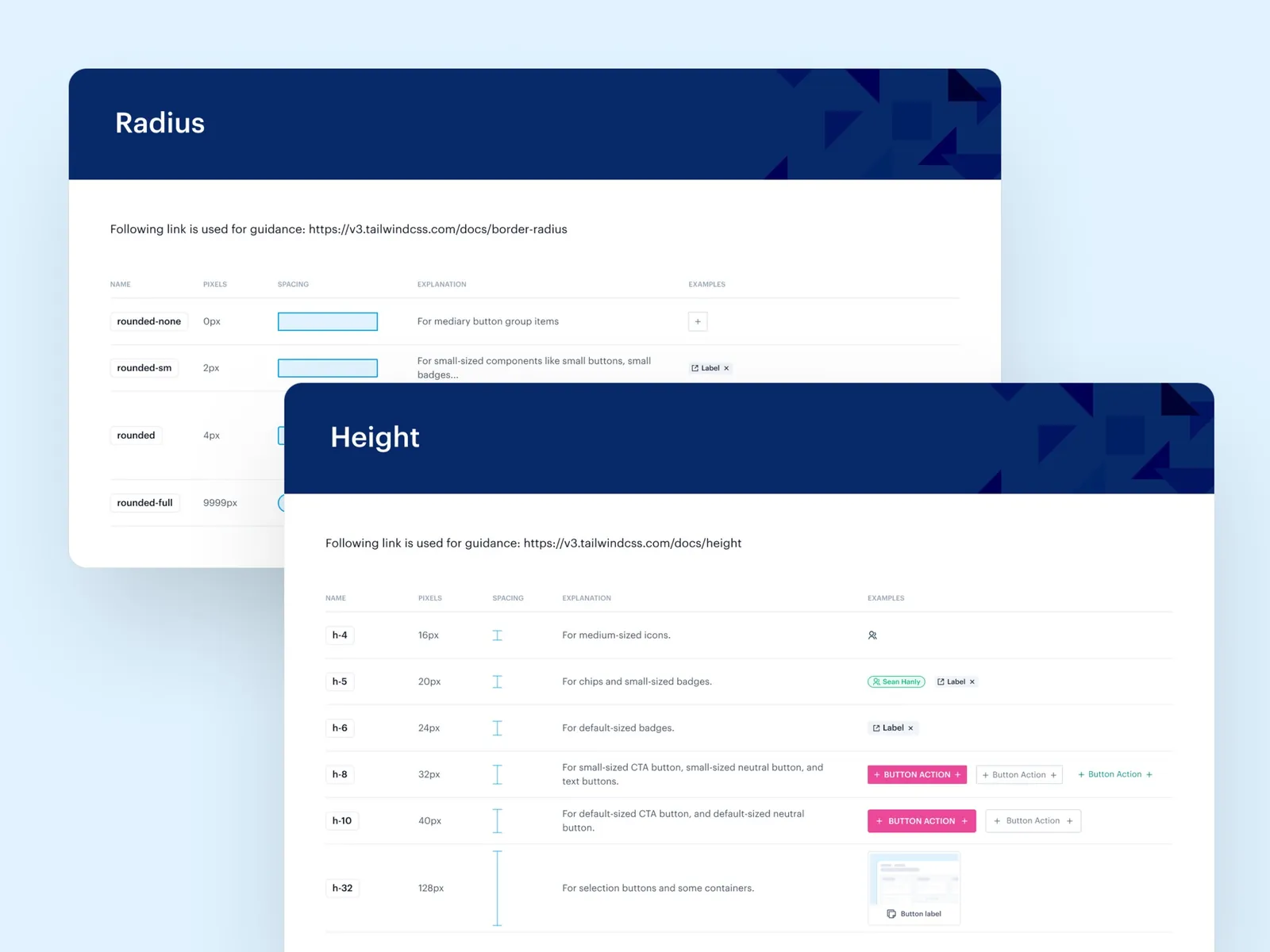
 Artisse
03 / 03
Artisse
03 / 03
Redesign of the mobile app - UX/UI

New feature - UX/UI
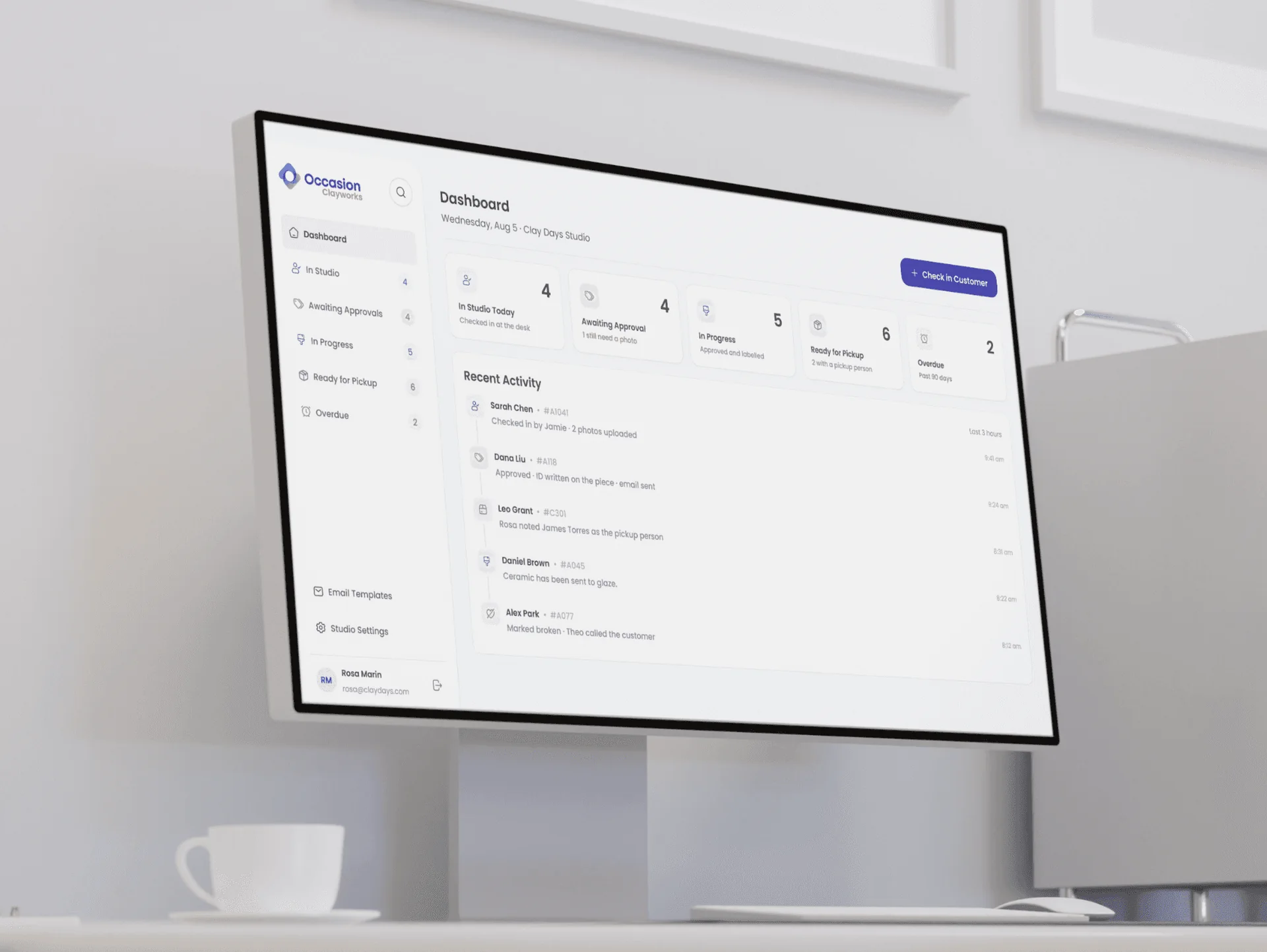
New user platform - UX/UI

New platform - UX/UI
Yes. We begin with the system and patterns you already have, then extend or clean them up where the product requires it.
Yes. A focused journey is often the safest place to start. We consider its connection to the larger product without expanding the project unnecessarily.
Yes. We can join the existing workflow, clarify requirements with product and stay involved with engineering through implementation.
Yes. We connect the design goal to observable behaviour such as setup completion, activation, task success, feature adoption or upgrade progression.
2 client slots open
Tell us where users struggle or what your team needs to ship. We will identify the most useful starting point and explain how we would approach it.